
Ocean Lanka Continues Rainforest Restoration Journey with Successful Completion of Phase 02 Near Sinharaja Forest Reserve
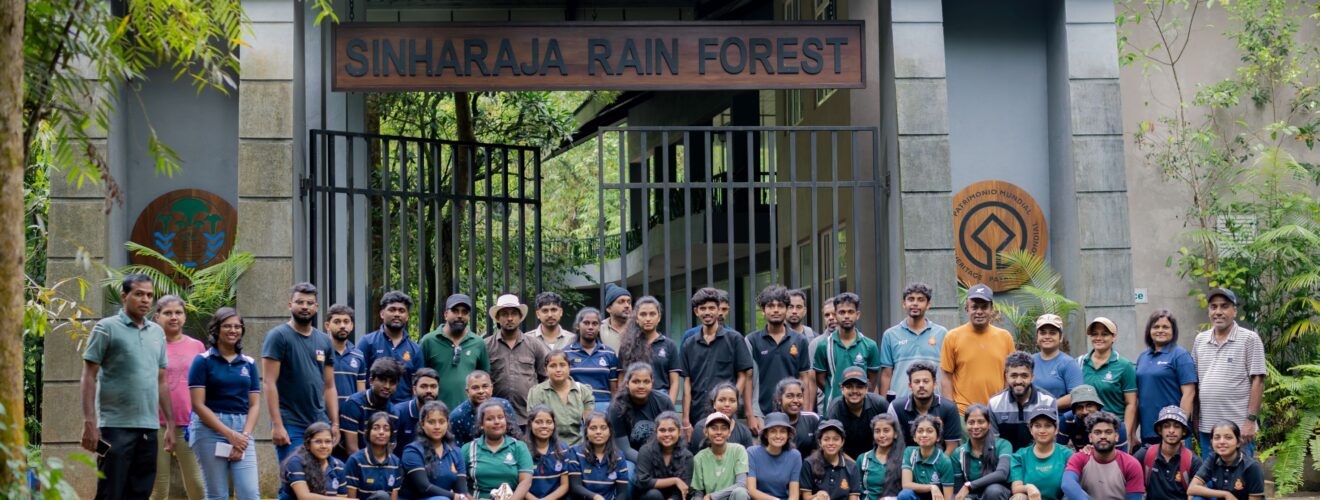
Ten months ago, under the Cinnamon Rainforest Conservation Project, a reforestation initiative bordering the iconic Sinharaja Rainforest, Ocean Lanka (Pvt) Ltd, Sri Lanka’s leading weft knitted fabric manufacturer, joined hands with the students of the Environmental Technology Society of the University of Colombo, Greenwood Growers, and conservation partners to plant native saplings at Waddagala in Ratnapura. What began with fragile two-feet seedlings has today grown into a thriving restoration effort, with many saplings now reaching nearly four feet in height and contributing to the healing of one of Sri Lanka’s most ecologically significant rainforest regions.
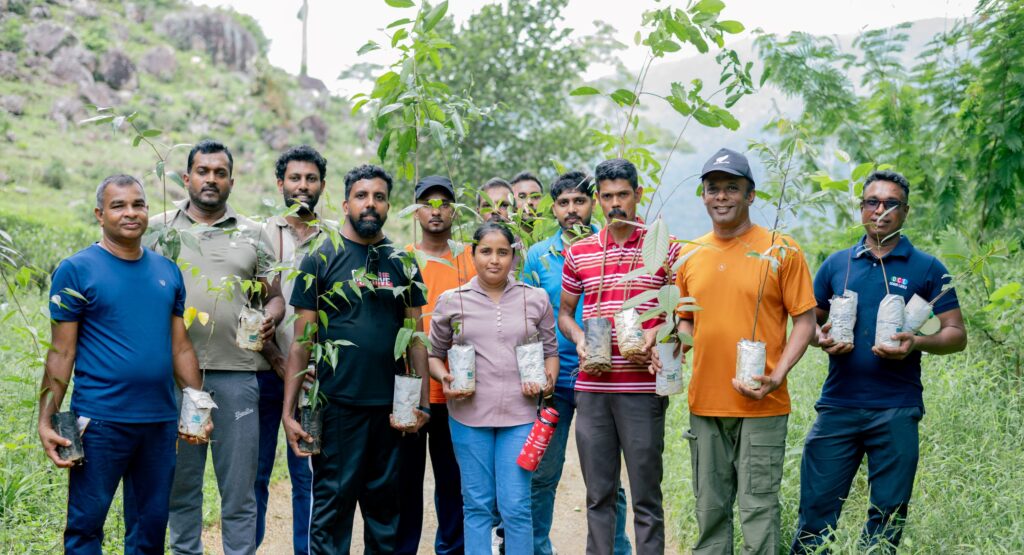
Ocean Lanka’s long-standing commitment to environmental sustainability and biodiversity conservation has been further strengthened by the successful completion of Phase 02 of the project under the Dilmah Conservation Restoration Project in Delwala, Ratnapura, bordering the iconic Sinharaja Rainforest, following the encouraging success of Phase 01. In addition to increasing restoration efforts, the latest phase monitored the ecological recovery of the replanted land, where young native trees are already assisting in soil stabilization, boosting natural regeneration, and creating new habitats for returning wildlife.
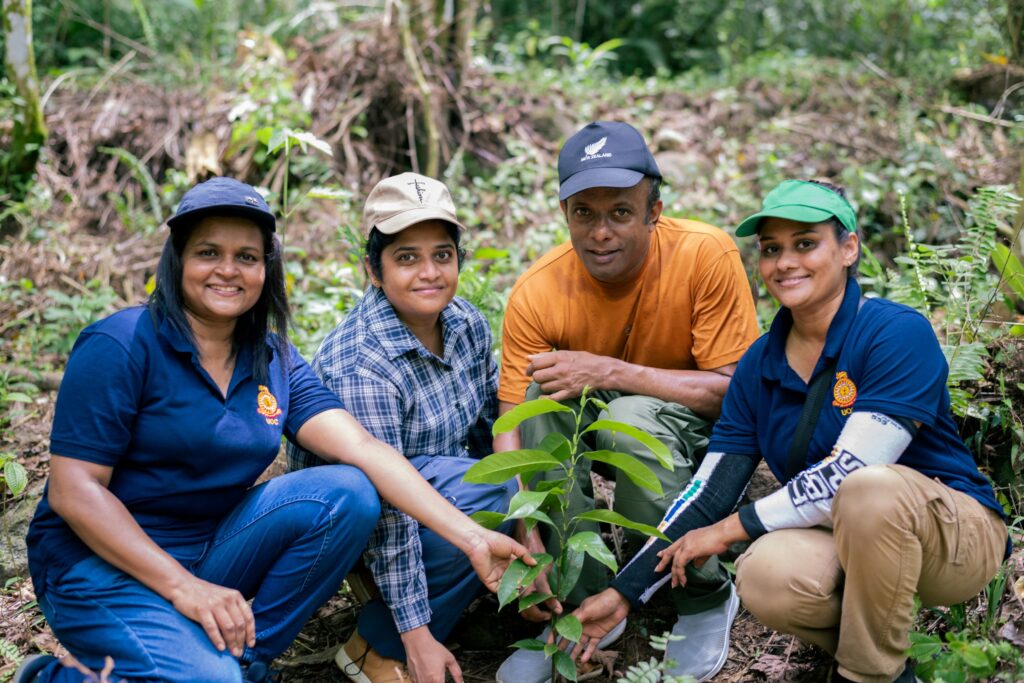
More than 85% of the saplings planted during the initial phase have survived and thrived despite the dry weather that was encountered earlier this year. While birds and small mammals have gradually started to return to the restored corridor, native canopy species have demonstrated strong growth. Throughout the process, volunteers and local communities were crucial in safeguarding saplings, removing invasive species, and supporting the land’s natural recovery. The results continue to show that the land is capable of healing itself with the correct intervention and long-term commitment.
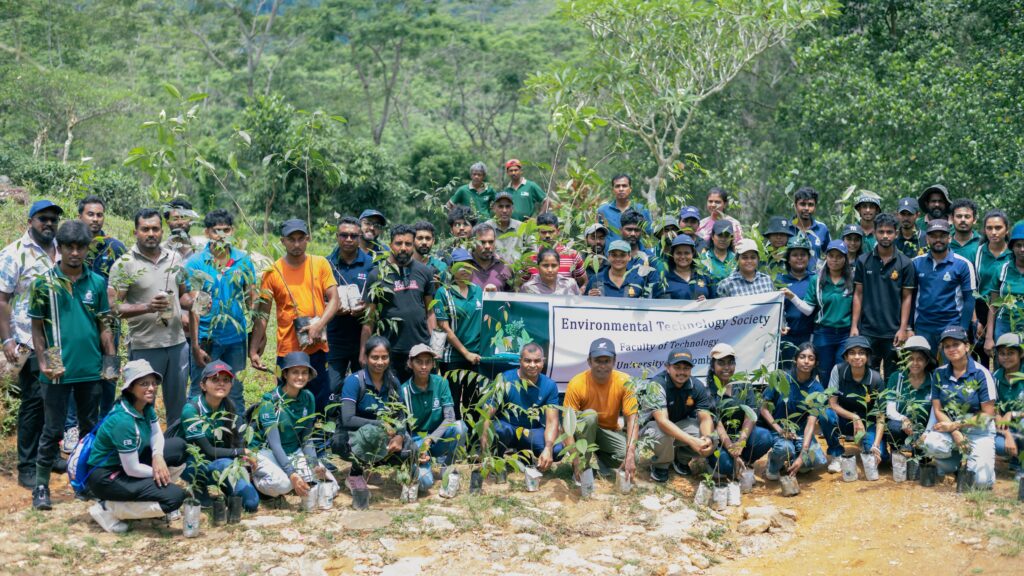
Nearly 22,000 native trees have already been planted as part of the wider restoration programme, and biodiversity monitoring shows that the restoration zone’s flora and fauna species have significantly increased. While faunal diversity has expanded from 189 to 251 species, including a significant increase in butterfly populations, native flora diversity has increased from 92 to 123 species. Permanent sampling plots, belt transects, and biodiversity tracking are examples of scientific monitoring techniques that continue to direct the restoration process and guarantee measurable environmental impact.
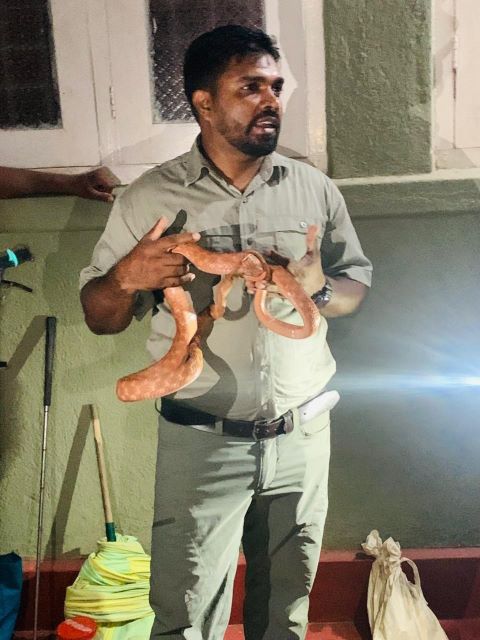
Commenting on the initiative, Dr. Thakshila Nadeeshani Dharmapriya of the University of Colombo stated “These partnerships have demonstrated the effectiveness of collaboration between the public and private sectors in preserving and reviving our natural heritage. The Dilmah Reforestation Project is a real-life illustration of how science, collaboration, and community spirit can revitalize damaged ecosystems. This area is already seeing a revival to biodiversity.”
According to Ocean Lanka, the company’s broader sustainability strategy of generating long-term environmental impact outside its core business operations is reflected in the successful completion of Phase 02. The company is still dedicated to helping restore Sri Lanka’s wet zone rainforests and building a more resilient and environmentally friendly future for generations to come through continued partnerships and conservation-driven initiatives.
END


Recent Comments