
Automobile Industry Unveils Revolutionary Trophy Inspired by Dürer’s ‘Praying Hands’
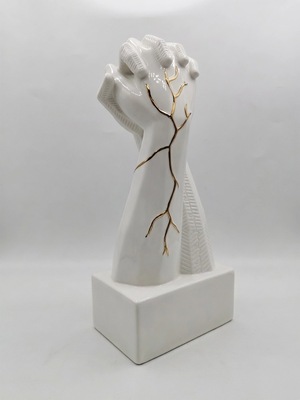
Challenging long-held perceptions of what industry recognition represents, a new automobile industry award has been unveiled, one that shifts the spotlight from victory to sacrifice. This pioneering trophy, which was inspired by the enduring story of Albrecht Dürer’s Praying Hands, redefines appreciation by recognizing not just achievement but also the unseen individuals who made it possible.
At its core, the award moves away from the idea that trophies are just symbols of success or status. Instead, it presents a more profound and human narrative: that every achievement is the result of a network of sacrifices made by parents, mentors, colleagues, and workers, many of whose contributions are sometimes overlooked. By repositioning industry acknowledgment as something that has emotional and human weight, this award seeks to dispel the notion that awards are merely superficial representations of wealth or status.
The legendary story of the Dürer brothers is the source of inspiration. According to the story, Albert Dürer worked in the mines to support his brother Albrecht’s artistic studies, ultimately causing irreversible damage to his own hands. Albrecht honored his brother’s sacrifice by creating the now-famous Praying Hands. By incorporating centuries-old meaning with contemporary industrial recognition and reinforcing the notion that success is rarely an individual accomplishment but rather the outcome of unseen sacrifices, this new trophy carries on that legacy into the present day.
Each trophy is meticulously handcrafted by hand, no two are ever identical. The piece, which was forged in fire at temperatures higher than 1200°C, represents the extreme pressures that individuals and organizations in the automotive industry must deal with. Tyre tread textures on its surface provide an obvious tactile link to the industry, while subtle design details like gold vein inlays and embedded ECG line motifs act as silent reminders of the human lives behind every achievement. By presenting each trophy as a singular, one-of-a-kind artifact shaped by both craft and concept, the award directly confronts the idea that awards are mass-produced and meaningless.
This trophy celebrates individuality and rawness, in contrast to conventional awards that emphasize uniformity and polish. Its raw edges and hollow interiors represent the reality of perseverance, resilience, and invisible burdens carried along the journey to achievement, supporting the idea that recognition should celebrate not just the results but also the process and the individuals who contributed to them.
An Honorary Lifetime Achievement Trophy, crafted from glazed white porcelain with elaborate gold veins and given to no more than five recipients each year, complements the standard award. This distinction redefines exclusivity and meaning and is reserved for those who have devoted their careers to improving industry standards and inspiring others. Here, porcelain is shown as a sign of strength, purity, and longevity, in contrast to the traditional perception of porcelain as delicate and fragile. Its hollow form emphasizes a powerful idea: that true value is defined by what one gives rather than what one holds. Its broken-edge style represents a life of service that does not conclude neatly.
Ravith Silva, Founder Chairman of the Automobile Industry Council said, “We are all not self-made, which is why this award exists. I’m standing here because someone else’s hands became tired so mine could become stronger. This award is given to those whose names are never recognized but whose sacrifices made every achievement possible, not just the winners. The “Praying Hands” serve as a reminder that solo acts are never the greatest accomplishments.”
There is more to the award experience than just the trophy. In a deliberate homage to Albert Dürer’s labor, each piece is delivered in an unvarnished, raw wooden box that resembles a miner’s crate. Recipients are greeted inside with a brief inscription that reads, “For the hands we never see,” along with a recounting of the story that served as inspiration. The authenticity and integrity of every piece will be reinforced by planned behind-the-scenes content that will further demonstrate the craftsmanship involved, from the high-temperature forging process to the final detailing.
This award introduces a simultaneous shift in the definition and celebration of success as the automobile industry continues to change. It challenges both recipients and observers to reevaluate the narratives behind success, moving from recognition based solely on victory to a more profound awareness of humanity, sacrifice, and contribution. Because in the end, this is not a trophy for victory, it is a tribute to sacrifice.
END


Recent Comments