
G24 urges wealthier nations and MDI’s to support developing countries
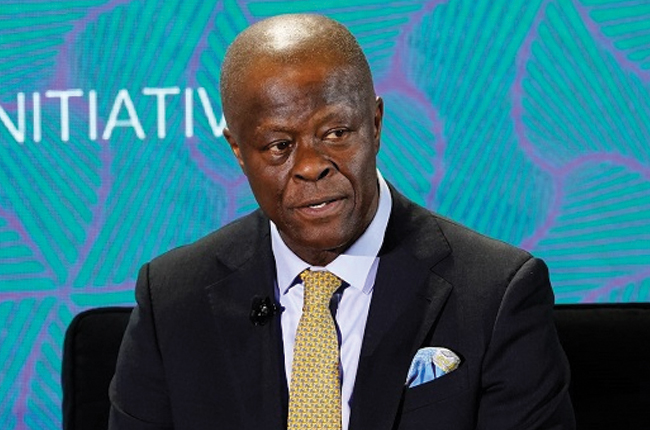
The Intergovernmental Group of Twenty-Four (G24) has urged wealthier nations and multilateral development institutions to step up support for developing countries struggling with the economic fallout of the ongoing conflict in the Middle East, while stressing that domestic resource mobilisation remains critical for long-term resilience.
G24 Chair and Nigeria’s Minister of Finance and Coordinating Minister of the Economy, Olawale Edun, said it was natural for stronger economies to assist weaker nations during periods of global stress. However, he cautioned that current global conditions are marked by declining overseas development assistance and net financial outflows from developing economies.Edun noted that developing countries are facing heavy pressure from high debt-servicing costs, which now outweigh the financial inflows they receive. He said debt servicing by developing countries in 2024 amounted to approximately US$163 billion, far exceeding overseas development assistance of about US$47 billion, even before accounting for foreign direct investment. As a result, elevated interest costs have driven a net outflow of resources from emerging and developing economies.
Meanwhile, rising debt costs are hindering development in many countries, with debt servicing consuming an increasing portion of government revenues. This situation limits public spending on critical services like education and healthcare a UN Trade and Development (UNCTAD) report released on April 19 said UNCTAD reports that between 2018 and 2024, rising interest payments reduced available government revenue for public spending in 99 developing countries. The shift to private credit has left these countries vulnerable to external shocks. Increased borrowing costs challenge debt sustainability, with many nations facing liquidity issues. Enhanced debt management through improved data tracking and borrower coordination may offer some relief, yet the overarching trend indicates a decline in development prospects.
According to calculations by UNCTAD, rising interest payments reduced the share of government revenue available for other public spending in 99 developing countries – 73% of the total – between 2018 and 2024. Liquidity squeezes can therefore harden into deeper crises. Three quarters of the countries judged by the IMF and the World Bank to be in debt distress or at high risk of it in September 2025 had been in that position since at least 2018. In effect, many governments are being forced to default not formally on their debts but on their development ambitions. Better debt management can offer some relief, it said.
Source: Daily News



Recent Comments